
“Damp in Your Home: How to Detect and Deal with It Early”
Dampness is one of the most common problems found in properties, particularly when they remain unoccupied or are not regularly inspected. It is typically caused by temperature differences between indoor and outdoor environments, as well as practical issues such as leaks or inadequate ventilation.
When humidity is maintained at normal levels (around 45%–55%), it contributes to a healthy and balanced indoor environment. However, when levels increase, it can lead to mold growth, damage to walls, and negative effects on health.
👉 “Here are 7 practical ways to effectively reduce humidity in your home:”
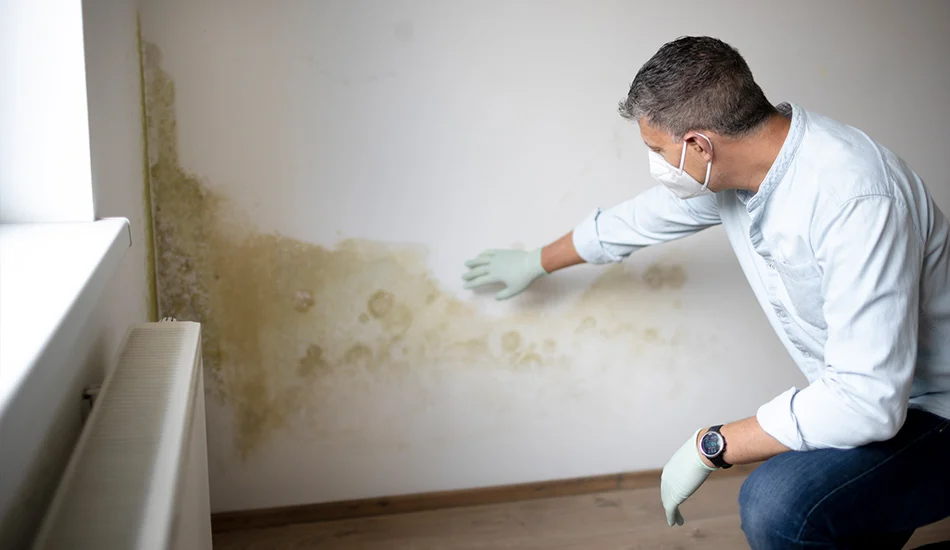
1. Check for Leaks
Even a small leak in the plumbing can significantly increase humidity levels. Signs such as stains on walls or damp areas near the bathroom and kitchen should not be ignored. Early detection can help prevent more serious damage.
2. Proper Property Insulation
Poor sealing in roofs or external walls allows moisture to penetrate the interior. Proper waterproofing and the use of anti-mold paints can significantly reduce the problem.
3. Regular Ventilation
Daily ventilation is one of the simplest yet most effective ways to reduce humidity. Special attention should be given to areas such as the kitchen and bathroom, where higher levels of moisture are typically generated.
4. Use Air Conditioning in Dehumidification Mode
Most air conditioning units feature a “DRY” mode, which helps reduce humidity levels. Regular use can noticeably improve the indoor climate.
5. Use a Dehumidifier for Consistent Results
A dehumidifier is one of the most immediate and effective solutions. It is particularly useful in homes that remain closed for long periods.
6. Maintain a Stable Indoor Temperature
Sudden temperature changes can increase humidity levels. Ideally, indoor temperature should be kept around 20–21°C for better control.
7. Be Mindful of Indoor Plants
Some indoor plants can increase humidity, while others help reduce it. Choosing and placing them correctly can help maintain a balanced indoor environment.
🔑 Why Prevention Matters
Humidity is not just an aesthetic issue. In properties that are left unattended, it can develop into serious damage, increasing repair costs.
👉 Regular property inspections help detect early signs of:
- leaks
- dampness
- wear and tear
and prevent more serious damage in the future.
📌 Conclusion
Proper humidity management requires prevention and regular monitoring. With simple actions and timely intervention, you can protect your property and maintain a healthy living environment.
📞 Need a Property Inspection in Thessaloniki?
We provide regular property monitoring and humidity control services to help you protect your property.